KHMER THERAPEUTIC TRADITION
What is Khmer Massage?

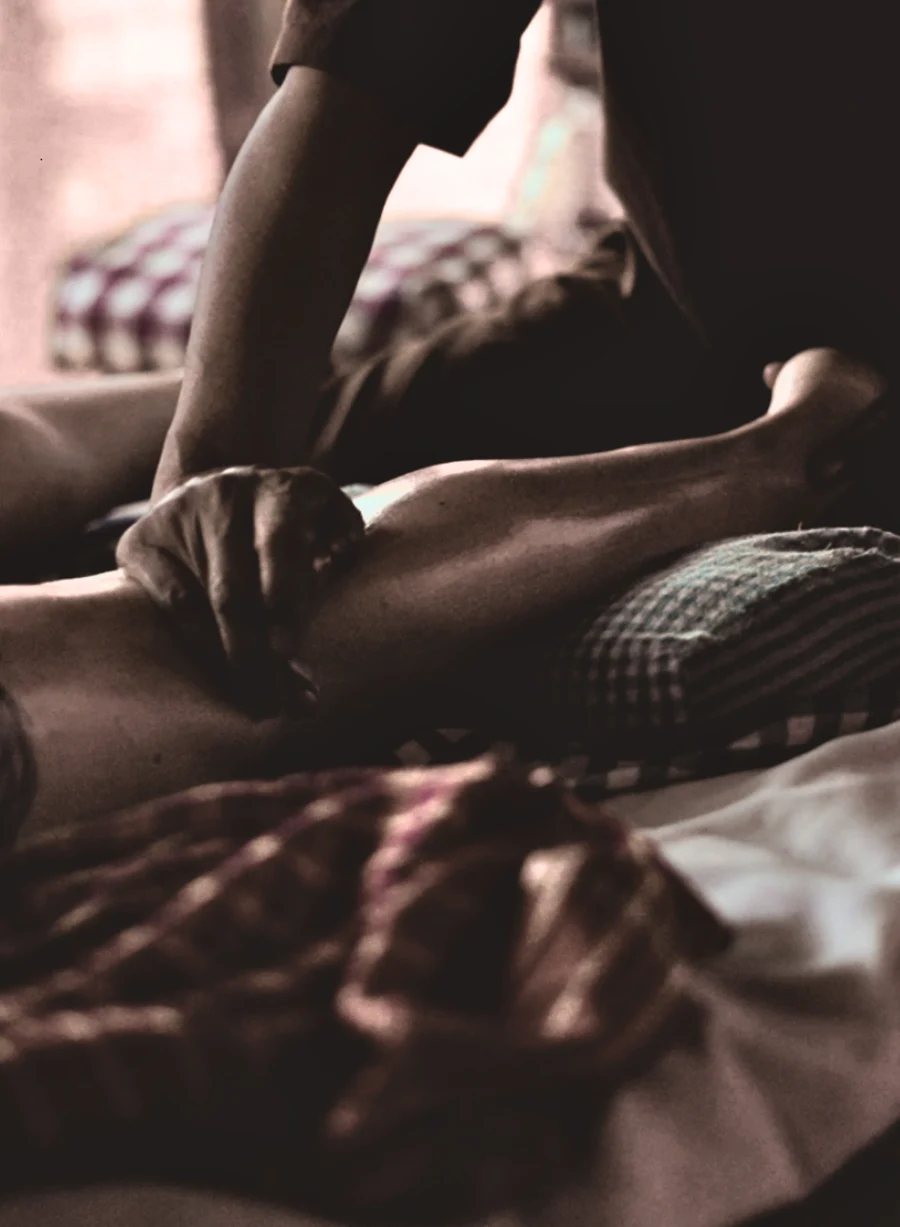
Traditional Khmer massage relies on a practitioner’s ability to feel the body, locate lines of tension, and work through them with pressure, a practice Cambodians call “jap sosay”.
This article explains how it works, why it can feel intense, and how Sra Thnam extends this tradition into a fuller process with herbal steam and a herbal bath.
Rooted in Cambodian practice
A Cambodian bodywork tradition
Khmer massage is a traditional Cambodian form of bodywork built largely on pressure, touch and the practitioner’s ability to identify lines and areas that feel tense, hard or resistant.
It is not a single standardised method followed identically by every practitioner. Techniques, pressure and experience vary from one healer to the next. Still, a familiar thread running through traditional Khmer massage is what Cambodians commonly call jap sosay: finding a line in the body, taking hold of it through pressure, and working along it until the area begins to release.
Some sessions are relatively gentle. Others go deep, and can be uncomfortable or painful, particularly when the practitioner focuses on areas where tension has settled over a long time.
Herbal steam and herbal baths aren’t automatically part of traditional Khmer massage. They belong to the specific approach developed at Sra Thnam, where Kim extends the pressure work into a complete process combining massage, heat and plants.
Pressure and body lines
A pressure-based practice familiar across Cambodia
Traditional Khmer massage is not limited to formal spas or tourist areas. Across Cambodia, people may visit an older relative, a village practitioner or someone locally known for being skilled at finding and working the sosay.
This knowledge is often practical. It may be learned through observation, repeated experience and hands-on transmission rather than through one standardised sequence. A practitioner may develop their way of working gradually, through years of feeling how different bodies respond to pressure.
Some practitioners work gently and follow a familiar routine. Others explore the body more deeply and spend more time on particular lines or resistant points. The session can therefore change according to what the practitioner feels rather than following exactly the same sequence every time.
This is why the experience can vary considerably from one practitioner to another. The general principle may be familiar, but the pressure, pace, techniques used and amount of time spent on a particular area can differ substantially.
A Cambodian expression
What does “jap sosay” mean?
In Khmer, “jap” means to catch, grasp or take hold of something. The practitioner locates the line and works on it directly.
Sosay refers to the lines felt through the body. The closest English translations are energy lines, meridians or tendons, although none fits perfectly.
When a line feels hard or rigid, the practitioner applies sustained pressure until the tension begins to release.
Reading the body
What does the practitioner feel?
A skilled practitioner does not necessarily apply the same pressure everywhere. The hands explore how different parts of the body feel.
One area may feel soft and relatively mobile, while another may feel dense, rigid or unusually sensitive. A line may appear to pull through several connected areas rather than remaining in one isolated point.
The practitioner follows these sensations and looks for the places where the line seems most resistant.
This work depends greatly on experience. Practitioners develop their own sensitivity and technique over time. Two people may work on the same body differently, even though both recognise the general practice of finding and working the sosay.
This is also why Khmer massage cannot be reduced to a fixed list of movements. The quality of the work depends on what the practitioner feels, how accurately the resistant areas are identified and how the pressure is applied.
Technique and pressure
How is traditional Khmer massage performed?
Traditional Khmer bodywork may involve the fingers, thumbs, palms, hands and elbows.
Hands and palms can apply broader pressure across larger parts of the body. Fingers and thumbs can follow a line more precisely or concentrate on a particular point. Elbows allow deeper pressure to be applied to larger or more resistant areas.
Some practitioners also use a small wooden stick. This allows them to work on specific points with greater precision than would be possible with a broad hand movement.
Pressure may be held in one place, repeated rhythmically or moved progressively along a line. The practitioner may return several times to an area that continues to feel hard or restricted.
The precise method varies. Some traditional massages are performed through clothing and without oil. Others involve direct work on the skin, oils, balms or locally prepared products.
Stretching may also be used, but it is not necessarily the central feature of every Khmer massage.
The expression “Khmer massage” therefore describes a family of Cambodian practices rather than one identical experience delivered everywhere.
If you’re familiar with Thai massage, our comparison of Khmer and Thai massage looks more closely at how pressure, stretching, clothing and the overall experience can differ.
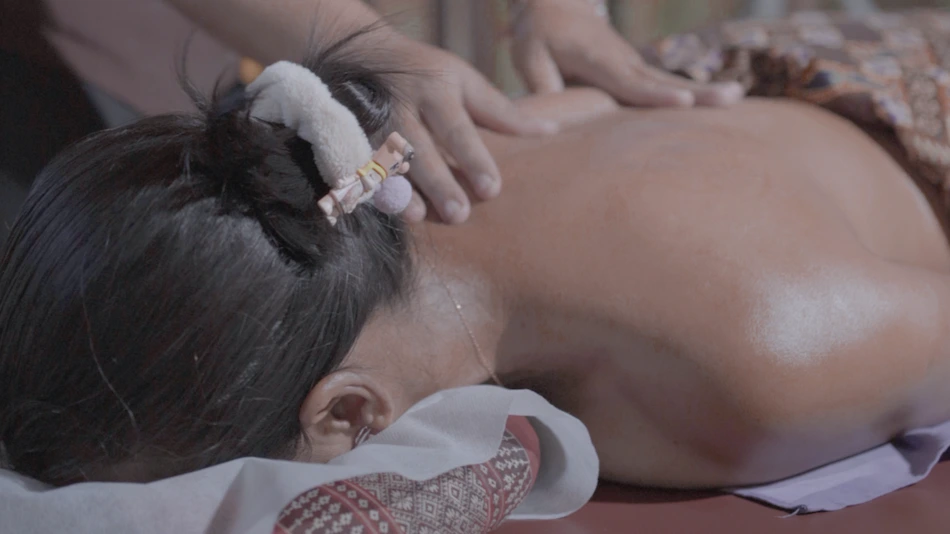
Traditional Khmer massage uses sustained pressure and hands-on work rather than a fixed sequence of movements.
Intensity and comfort
Is Khmer massage painful?
Khmer massage can be painful, especially when the practitioner works deeply on a hard or sensitive area.
That does not mean pain is the objective. Strong pressure may be useful when the body can tolerate it, but more pain does not automatically mean a better or more effective massage.
The pressure should remain adjustable. If an area feels too intense, the practitioner can reduce the pressure, change technique or move to another part of the body.
Communication matters, particularly when working deeply. Sharp, electrical or otherwise abnormal sensations should not simply be pushed through.
For some people, this kind of bodywork feels intense during the massage but leaves them feeling much looser and more relaxed afterwards. Others may prefer a gentler style from the beginning.
Living practice
Why do Cambodians continue to use this practice?
Its reputation is built less on theory than on what people feel after the work.
WHAT PEOPLE NOTICE
A hard or resistant zone begins to feel less dense, less tight and easier for the practitioner to work through.
A shoulder, neck or limb may feel freer to move, with less restriction and less effort in everyday motion.
What had remained uncomfortable can feel less present afterward, with a clearer sense of release in the affected area.
WHY THE PRACTICE ENDURES
People return because they have felt a difference themselves.
Families and villages know who is skilled at working the sosay.
The practice continues through repeated use and personal recommendation.
Herbs, steam and baths
Are herbal steam and baths part of Khmer massage?
No, not as standard parts of the massage itself.
In many Cambodian settings, traditional Khmer massage ends once the pressure work is complete. The practitioner finds and works the sosay, and the session stops there.
Cambodia also has wider traditions involving plants, oils, balms, steam and warm herbal water. These practices may accompany massage, but they are not compulsory stages of every Khmer massage.
When herbal steam or a bath is included, it belongs to the particular approach of that practitioner or establishment, rather than to the general definition of Khmer massage.
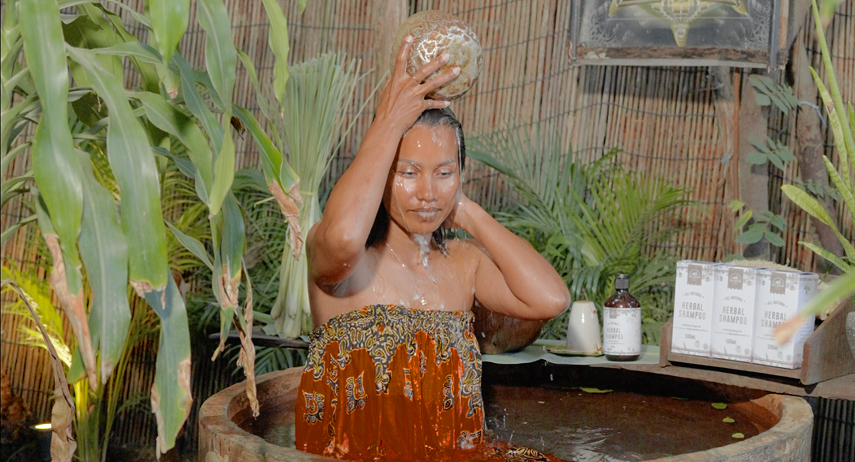
Sra Thnam Approach
How Sra Thnam builds on the Khmer tradition
Traditional Khmer bodywork provides the foundation of the Sra Thnam approach.
The practice is extended through deeper exploration of the body and an integrated three-stage process.
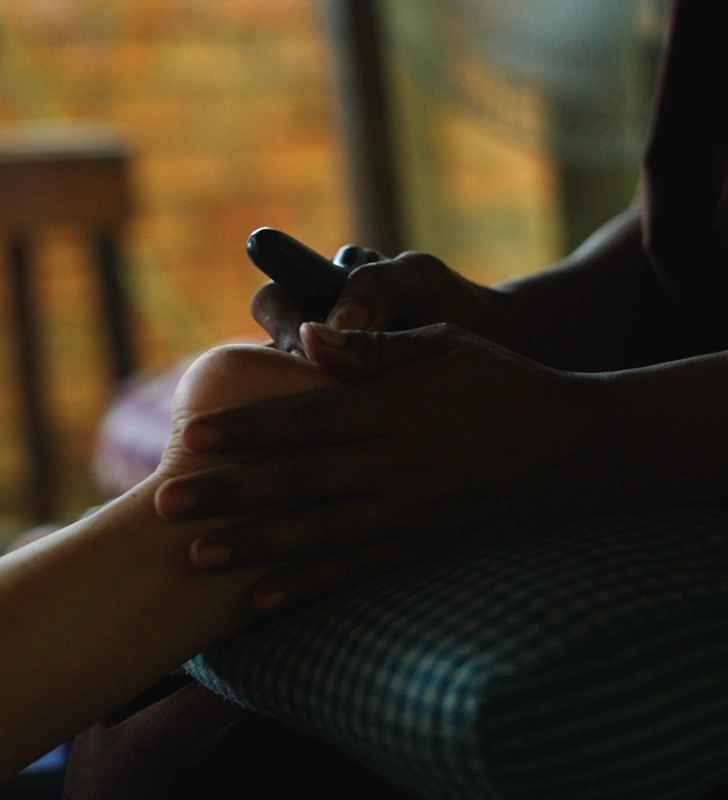
Deeper exploration
The practitioner follows the sosay across the whole body and spends more time on lines and areas that feel particularly hard, thick or resistant.
Precision rather than pressure everywhere
Depending on the area, the practitioner may use the fingers, hands, elbows or a small wooden stick. A homemade herbal oil is applied across the body, with a comforting scent and a mild warming effect.
Intensity with a purpose
Some areas can be particularly painful, but pain is not the objective. Pressure is directed towards resistant points and adjusted according to what the practitioner feels and how the visitor responds.
See the Sra Thnam therapeutic massage session and how the full process works.
If you’re comparing options before booking, our guide to massage prices in Siem Reap explains the current price range and what different prices may include.