
Begin with what you notice
These concerns are not diagnoses. They are simple starting points to help you understand what you notice and choose the Sra Thnam approach that may fit best. Start with the concern closest to your situation, then explore the related session guidance and traditional preparations.
Hair & Scalp
Hair loss, irritated scalp, or greying hair

Skin Concerns
Blemishes, sensitivity, or uneven tone
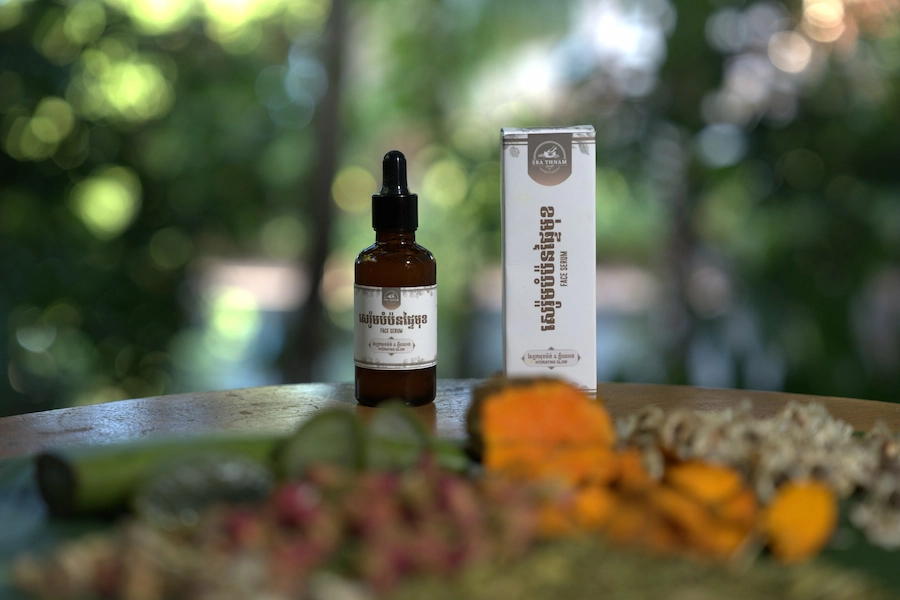
Relief & Recovery
Pain or tension in the body
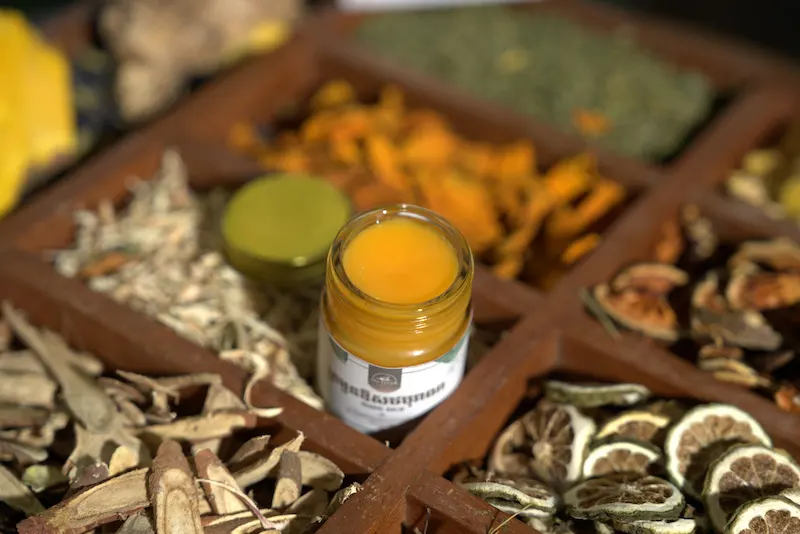
Digestive Discomfort
Heavy or bloated after meals

Stress & Sleep
Hard to relax or sleep well
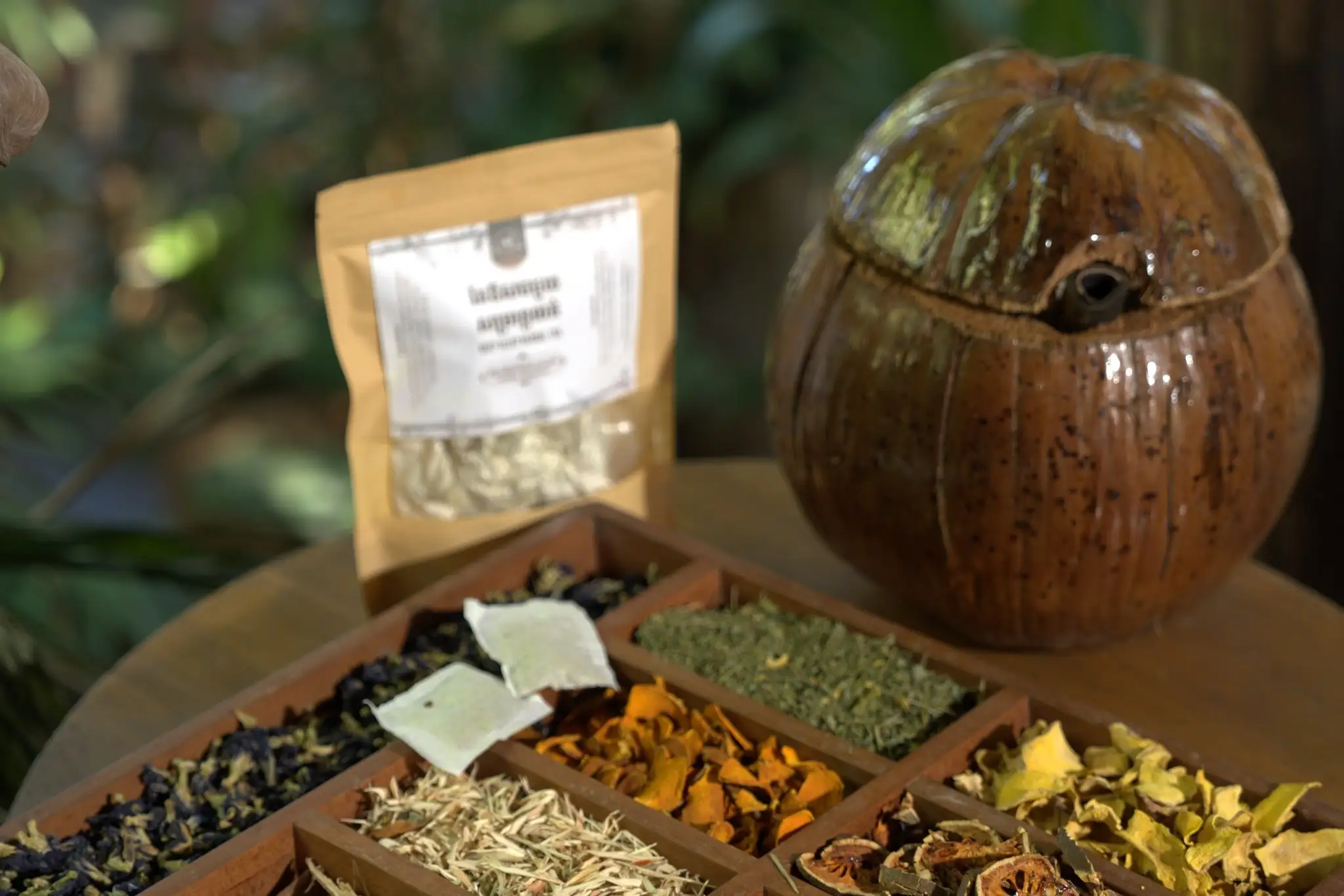
View All Preparations
Our full catalogue is being prepared and will be available soon. In the meantime, start with the concern closest to your situation or ask us directly.